
From Many, One: The Promise and Paradox of Pluribus
Written by Sofia Mongillo Bermejo
The phrase E Pluribus Unum, “from many, one”
is recognized as the unofficial motto of the United States, symbolizing unity forged from diversity. Rooted in the Latin Pluribus, meaning “from many,” the phrase carries connotations of collective identity, shared purpose, and the delicate balance between individuality and togetherness. In the Apple TV+ original series Pluribus, this idea is interrogated, dismantled, and ultimately complicated.
At its core
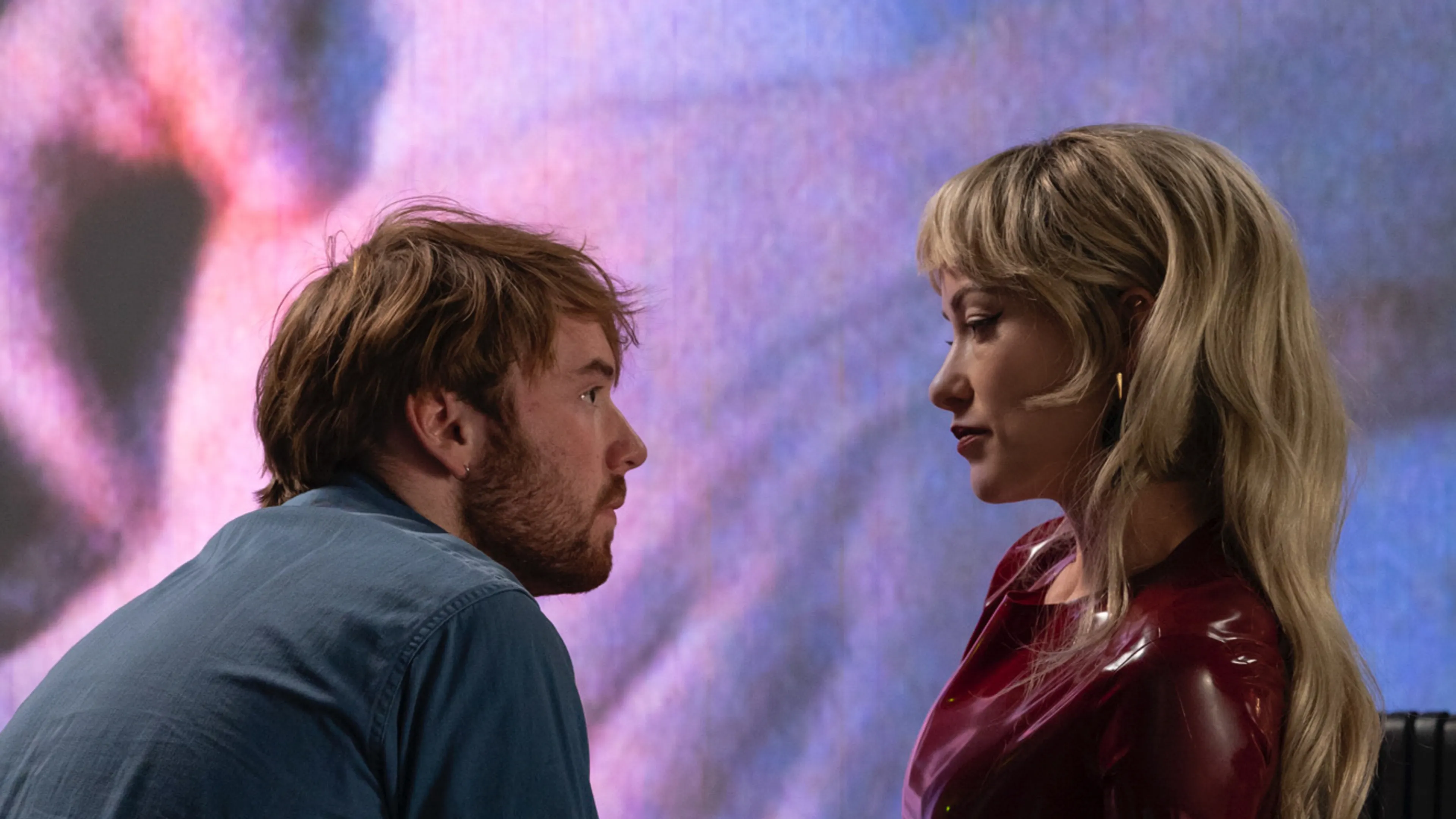
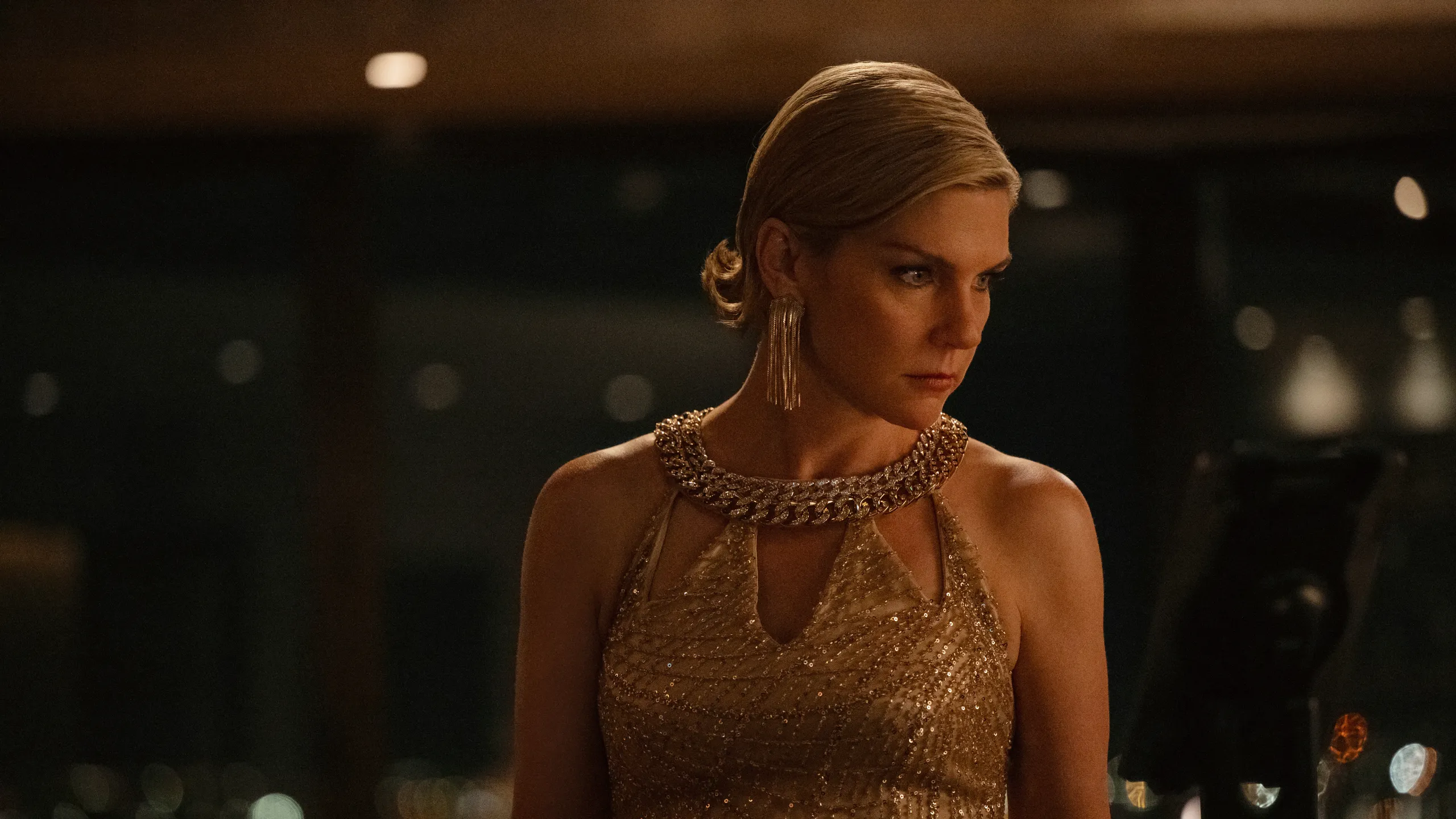
Pluribus asks what is gained and what is lost when humanity truly becomes “one.” When an extraterrestrial virus binds the global population into a hive mind and a single consciousness, the series explores a world where empathy is universal, conflict is erased, and loneliness seemingly no longer exists. Well, except for the 13 individuals who remain unaffected. In a striking inversion of the motto’s idealism, the show follows writer Carol (Rhea Seehorn), an immune outlier left behind in a world of collective bliss. Pluribus examines the isolation of individuality when difference is no longer tolerated. And while society is undeniably peaceful, that peace comes at the cost of autonomy, identity, and the very friction that defines human experience.
This thematic ambition is unmistakably Gilliganesque
Best known for Breaking Bad, Better Call Saul, and his early work on The X-Files, Pluribus marks Vince Gilligan’s return to science fiction for the first time since the iconic series aired. As with his previous work, Gilligan approaches the narrative slowly and deliberately, prioritizing psychological tension over spectacle. The show’s restrained pacing drags on, mirroring Carol’s emotional and social isolation in a world that has moved on without her.
Visually
Pluribus is stunning. Its cinematography enhances the many quiet moments, using stillness and negative space to reinforce the show’s sense of emptiness. Set in Albuquerque, the series benefits from a landscape already defined by wide-open space and muted isolation, a setting that becomes increasingly desolate and uncanny following “The Joining”.
Despite this visual beauty, a nagging sense of wasted potential lingers. The plot shows promise in early episodes, but it ultimately ends up being a letdown. Episodes unfold too slowly, and despite the scale of its premise, very little actually happens.
While some may interpret the show’s slow pace and limited cast as intentional choices meant to mirror Carol’s isolation, this justification feels insufficient and dramatically underdeveloped. Rather than immersing the audience in her isolation, the repetitive pacing and lack of compelling secondary characters create distance, causing the show to stagnate. What may be conceived as a meditative reflection on solitude instead risks becoming monotonous, revealing a gap between thematic ambition and narrative execution.
Seehorn's performance as Carol is remarkable ;
the character, less so. While Seehorn brings depth and nuance to the role, capturing grief and frustration, the writing of Carol ultimately weakens the character, leaving the performance more compelling than the character itself. And at times, Carol herself is difficult to like as a protagonist. Her emotional range remains narrow for much of the series, often locked into the same expression, which makes it hard to fully invest in her journey. Unlike Gilligan’s previous hit shows, Pluribus lacks a dynamic ensemble cast. The supporting characters are largely unremarkable, serving more as thematic devices than fully realized individuals.
Ultimately
Pluribus has immense promise but is defined by its shortcomings. It is visually beautiful yet emotionally sparse, conceptually bold yet narratively restrained. It offers a unique and original idea that resonates strongly in an age of AI, but stops just short of fully realizing its potential. Like its title suggests, Pluribus strives to unify many ideas into one cohesive vision, but in doing so, it risks losing the richness that made those ideas compelling in the first place.
By ThePopulationAppeard
On the same topic

Halo
A Bold Adaptation of the Iconic Video Game Series
By ThePopulationAppeard

Sterling K. Brown Breaks New Ground in Hulu's Paradise
Alks Action, Politics, and the Evolution of His Career
By ThePopulationAppeard
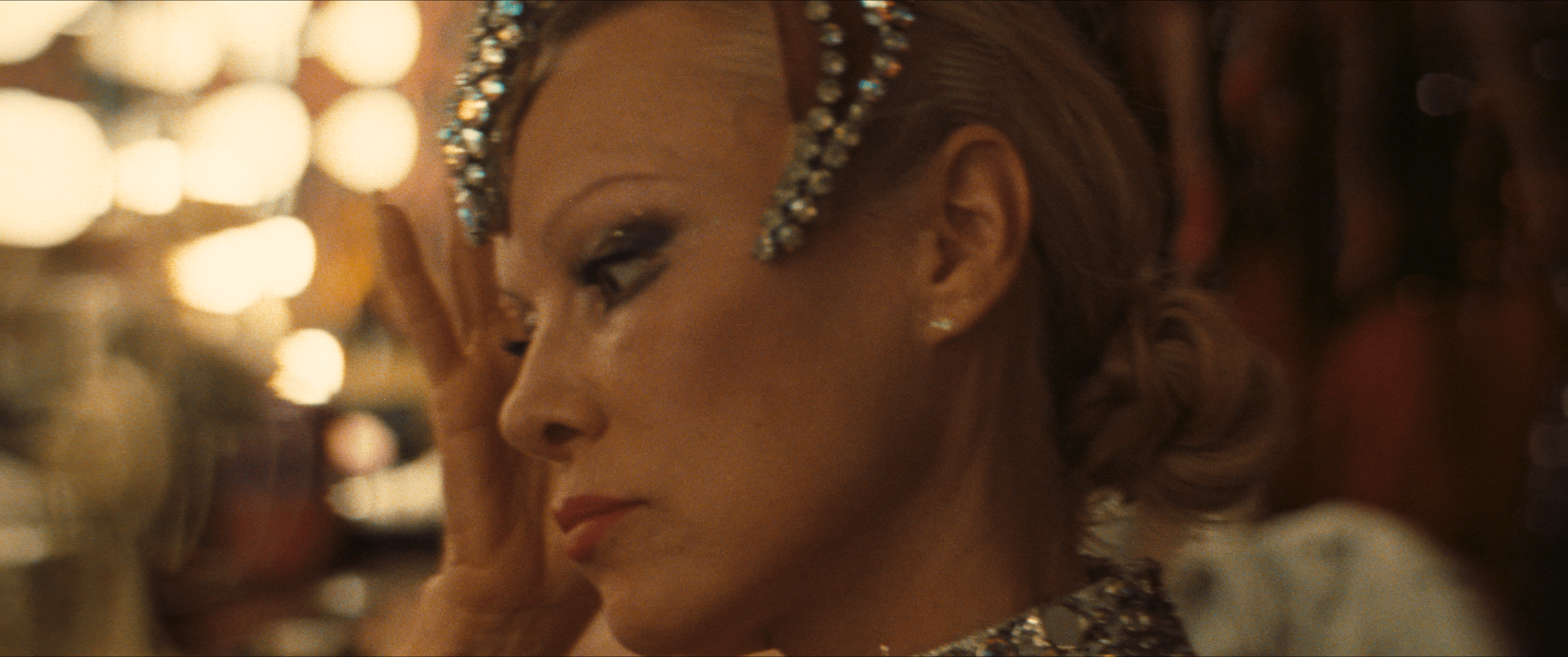
The Last Showgirl
Captivating drama directed by Gia Coppola
By ThePopulationAppeard
Read our latest ones
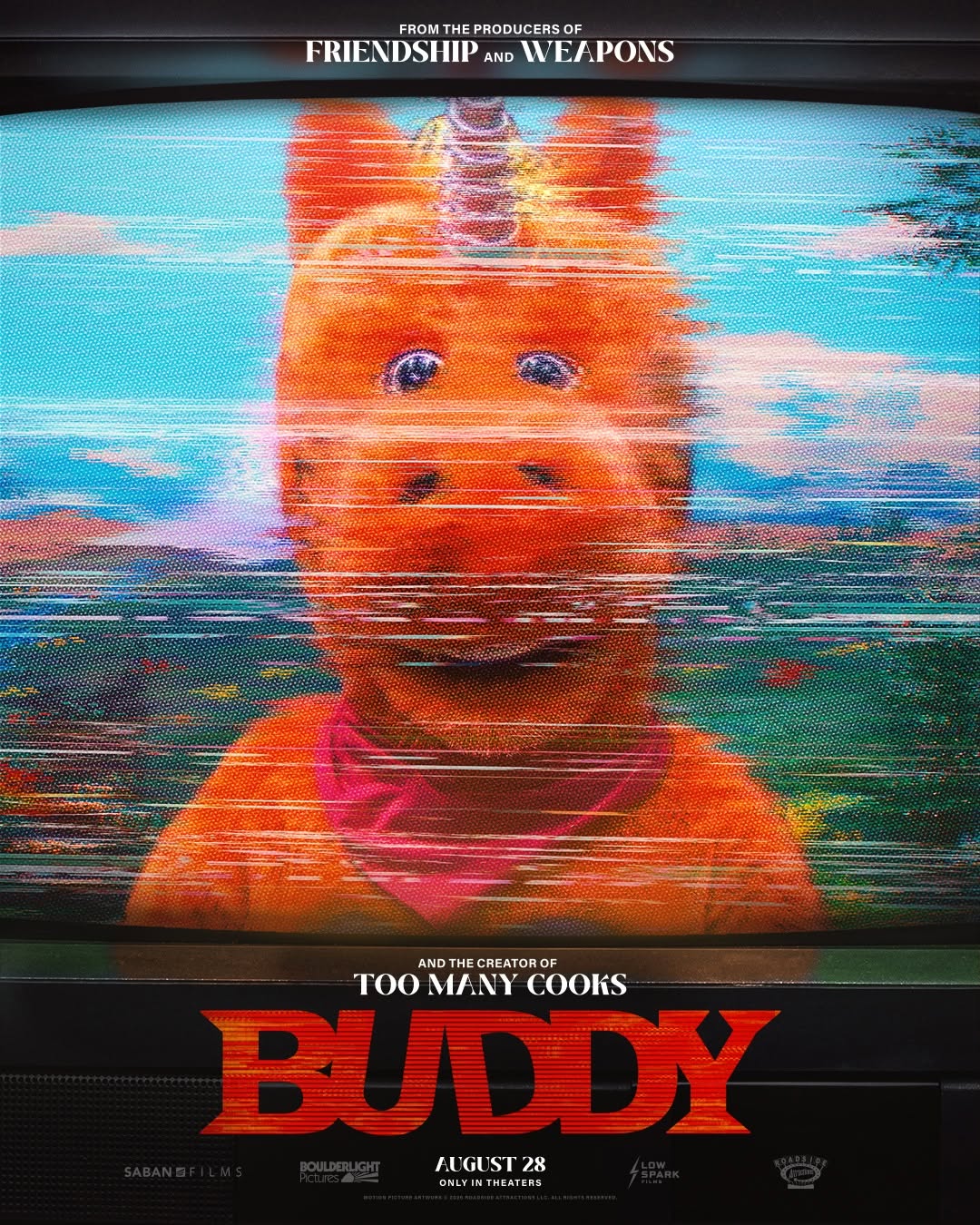
Buddy
Huggy, and a Little Bit Nutty
By ThePopulationAppeard
Insidious
Out of the Further: It Runs in the Family
By ThePopulationAppeard

Her Private Hell
A Dream You Can't Quite Wake From
By ThePopulationAppeard

The Dink
We were at: Apple's The Dink Premiere
By ThePopulationAppeard

Evil Dead Burn
Gore Has Never Felt This Personal
By ThePopulationAppeard